Project_ “Campo La Macarena” Sports Area
Year_ 2024
Location_ Córdoba, Argentina
Team_ Silo Arquitectes + Pantano Arquitectura + Panichelli Renzo + Teseyra Camila + Rojo Martina
Type_ National competition for sports area preliminary designs
Client_ “Campo La Macarena,” Rio Cuarto Golf Club
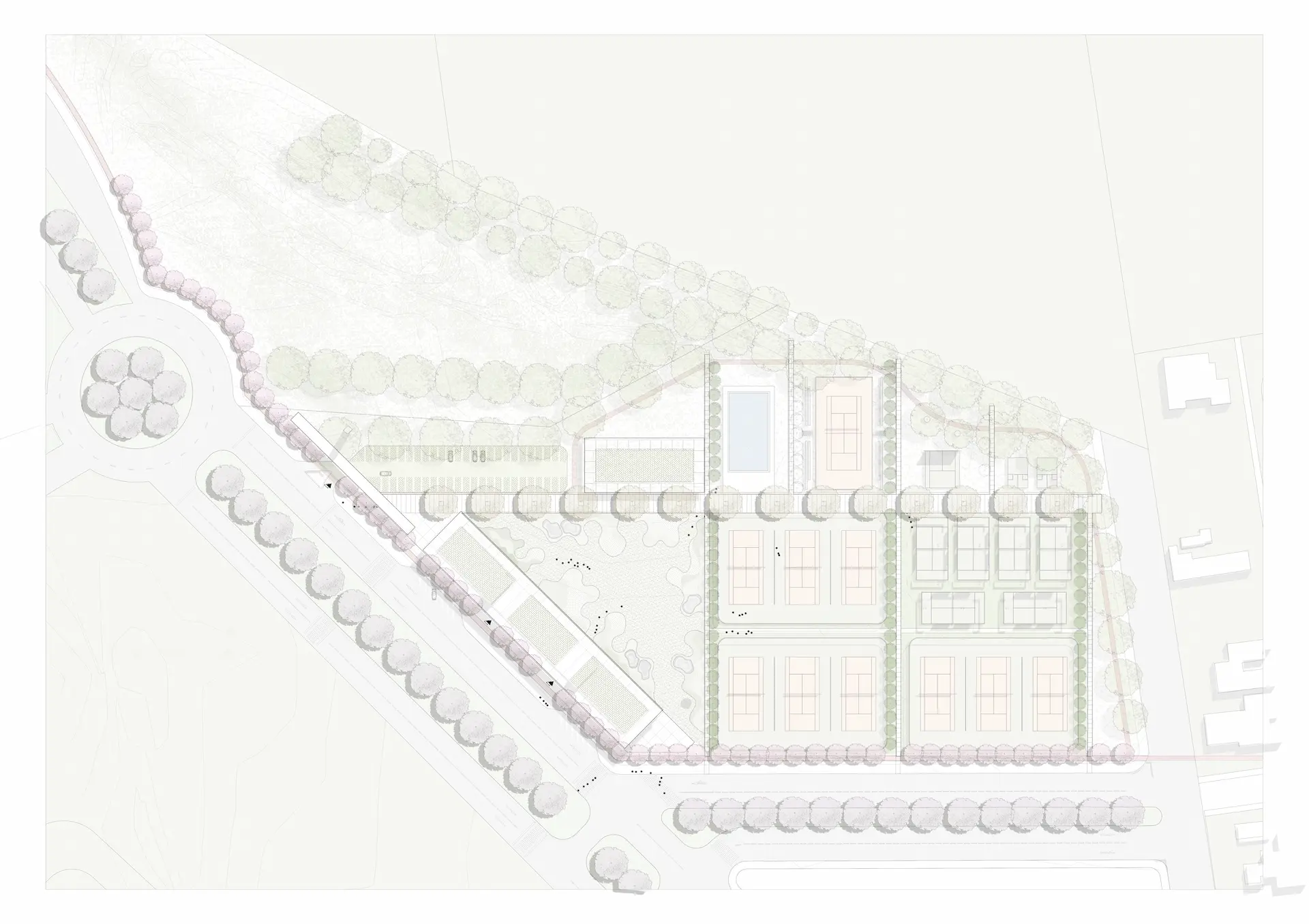
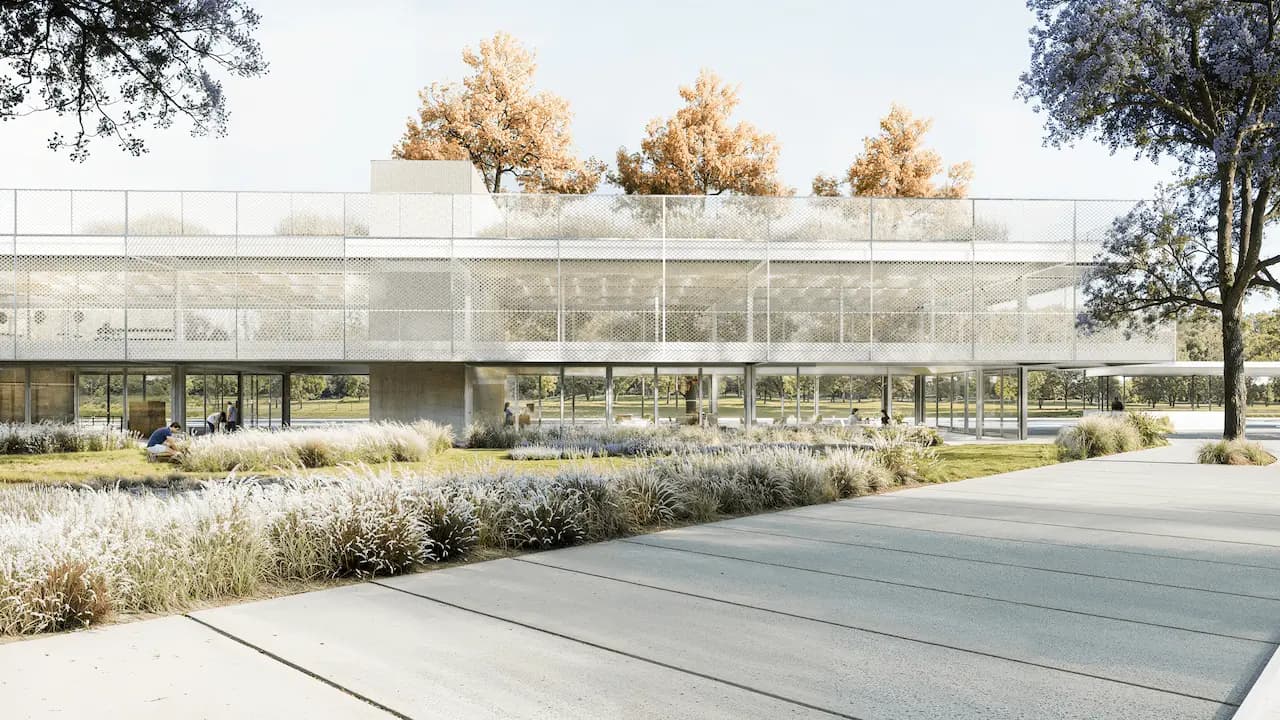
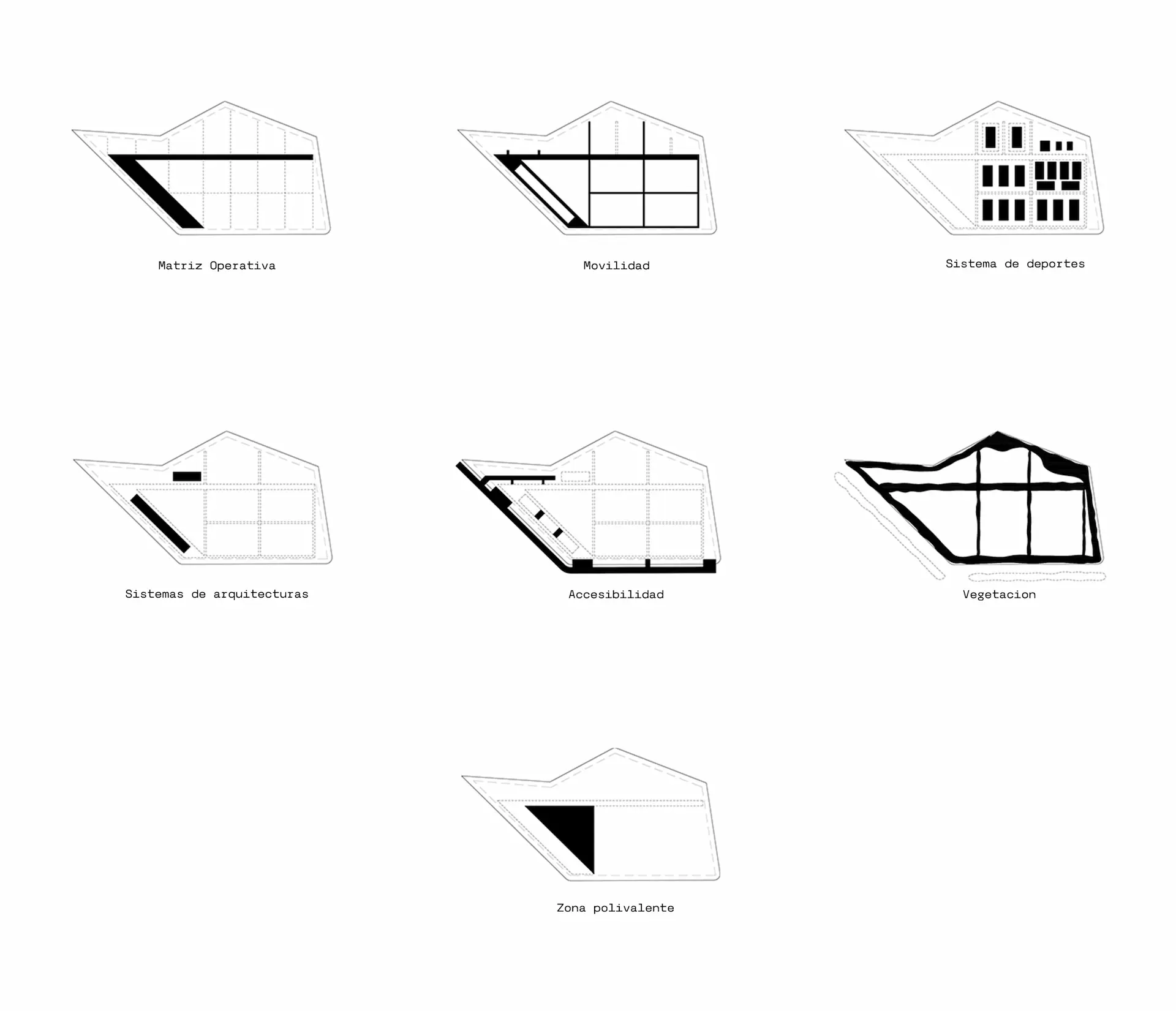
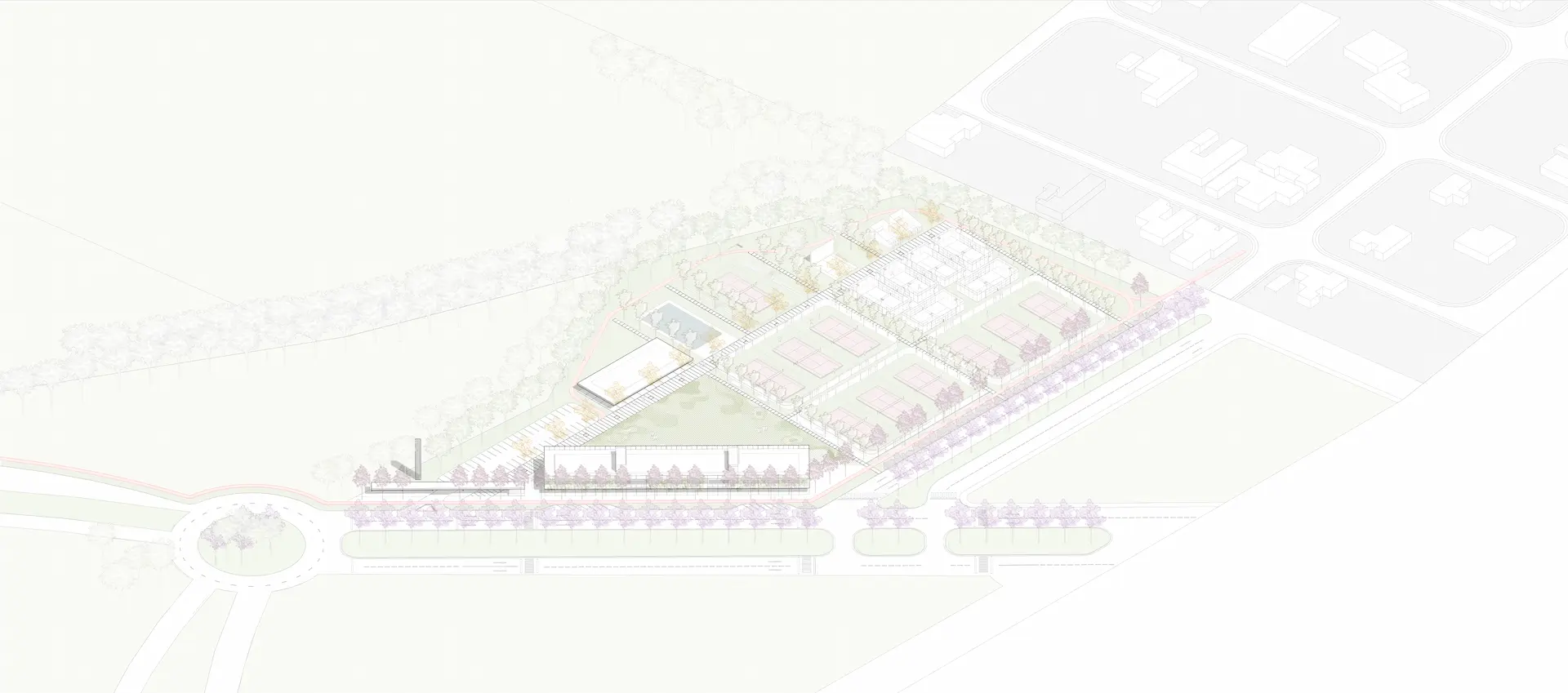
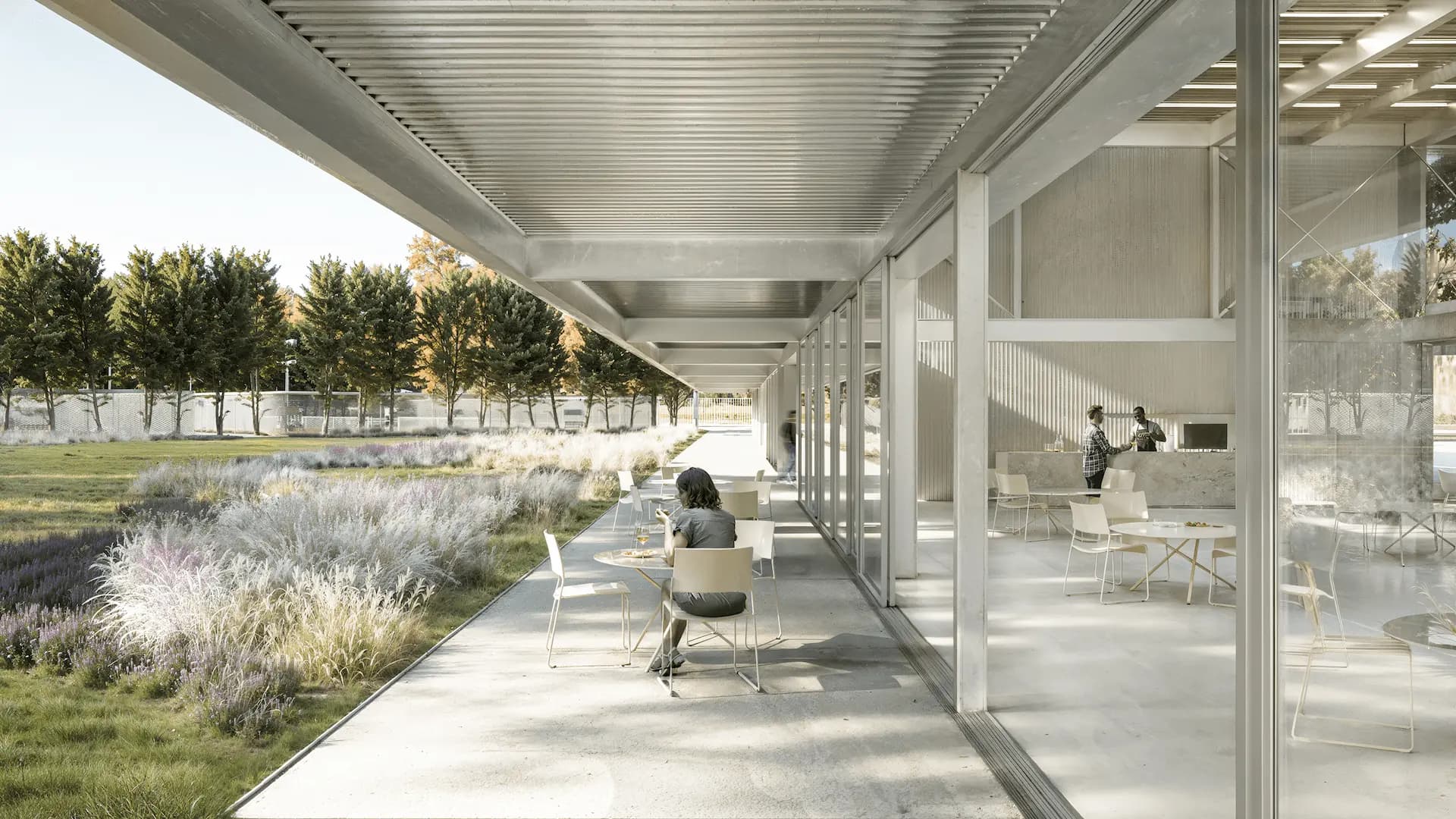
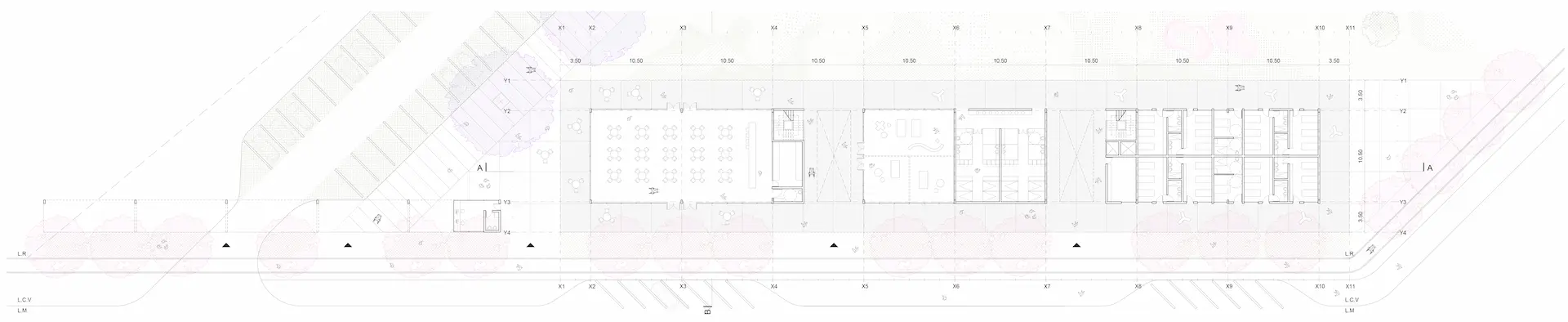
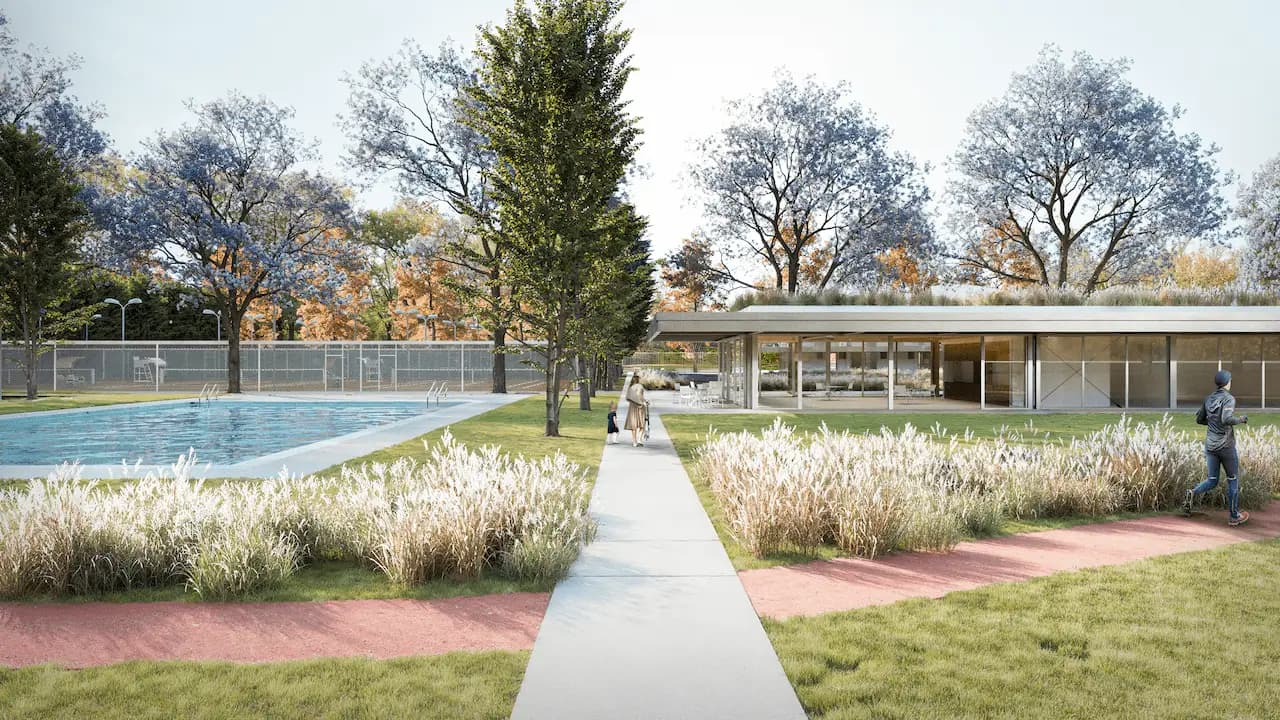
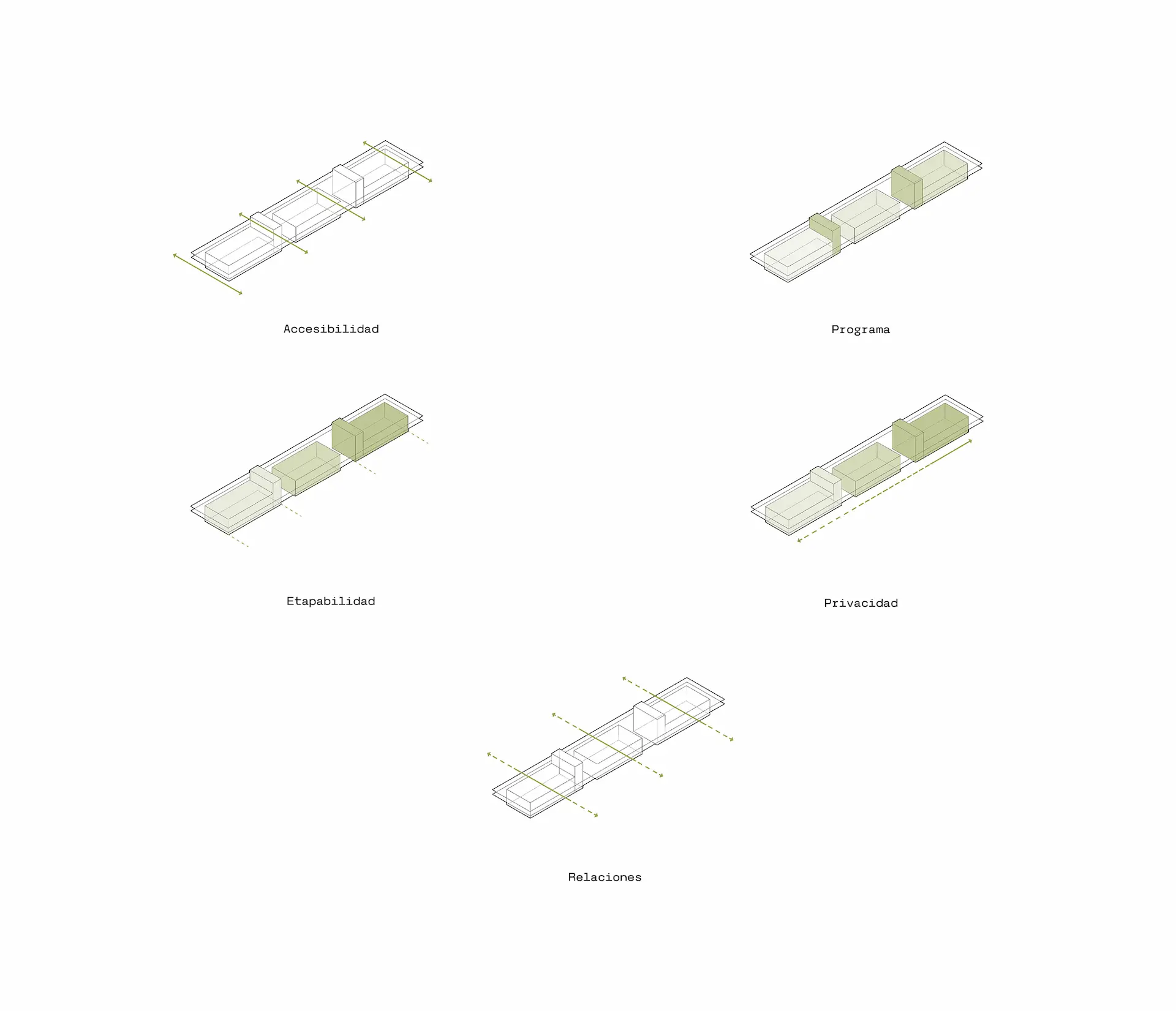
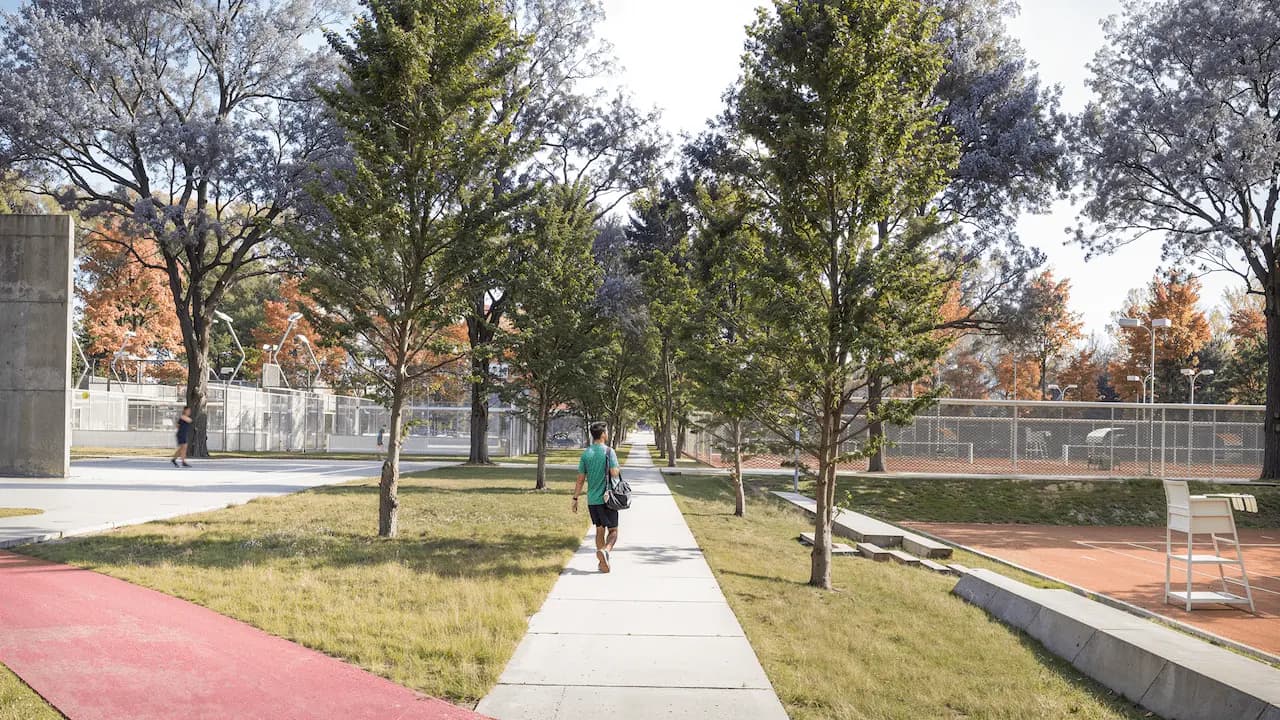

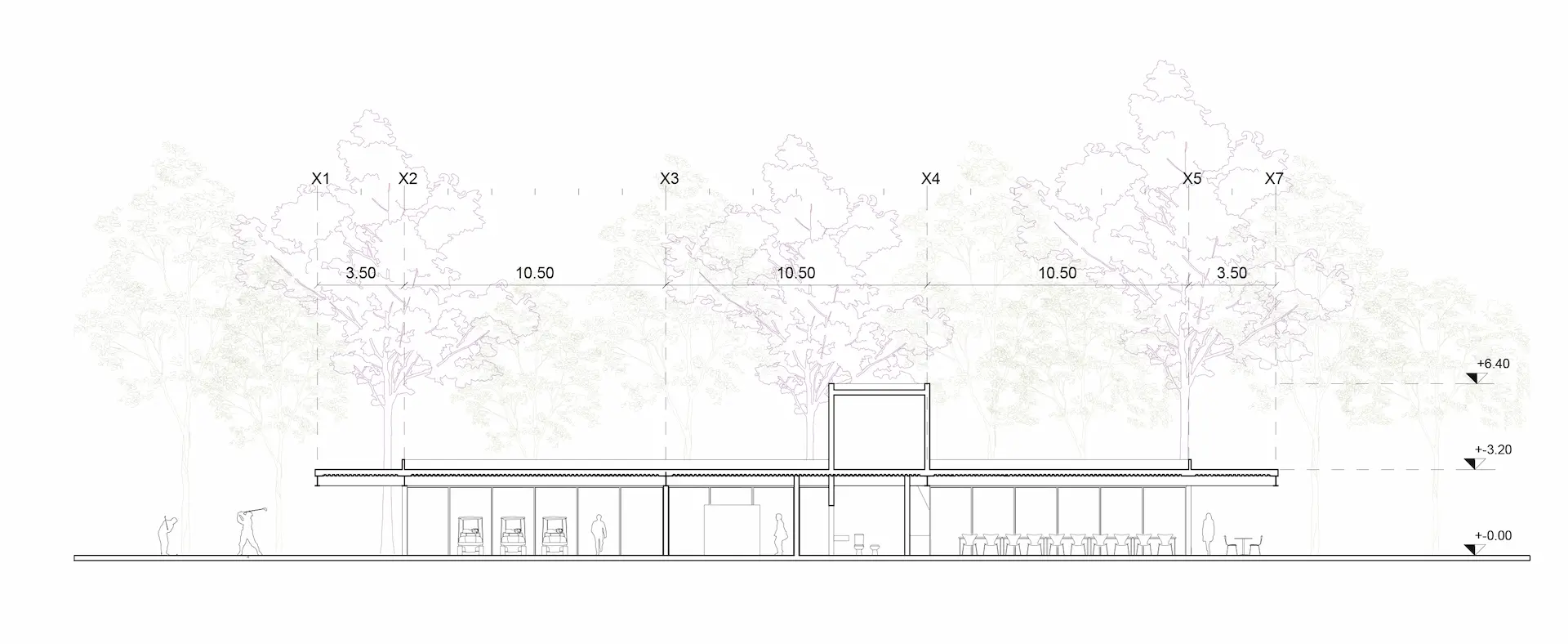
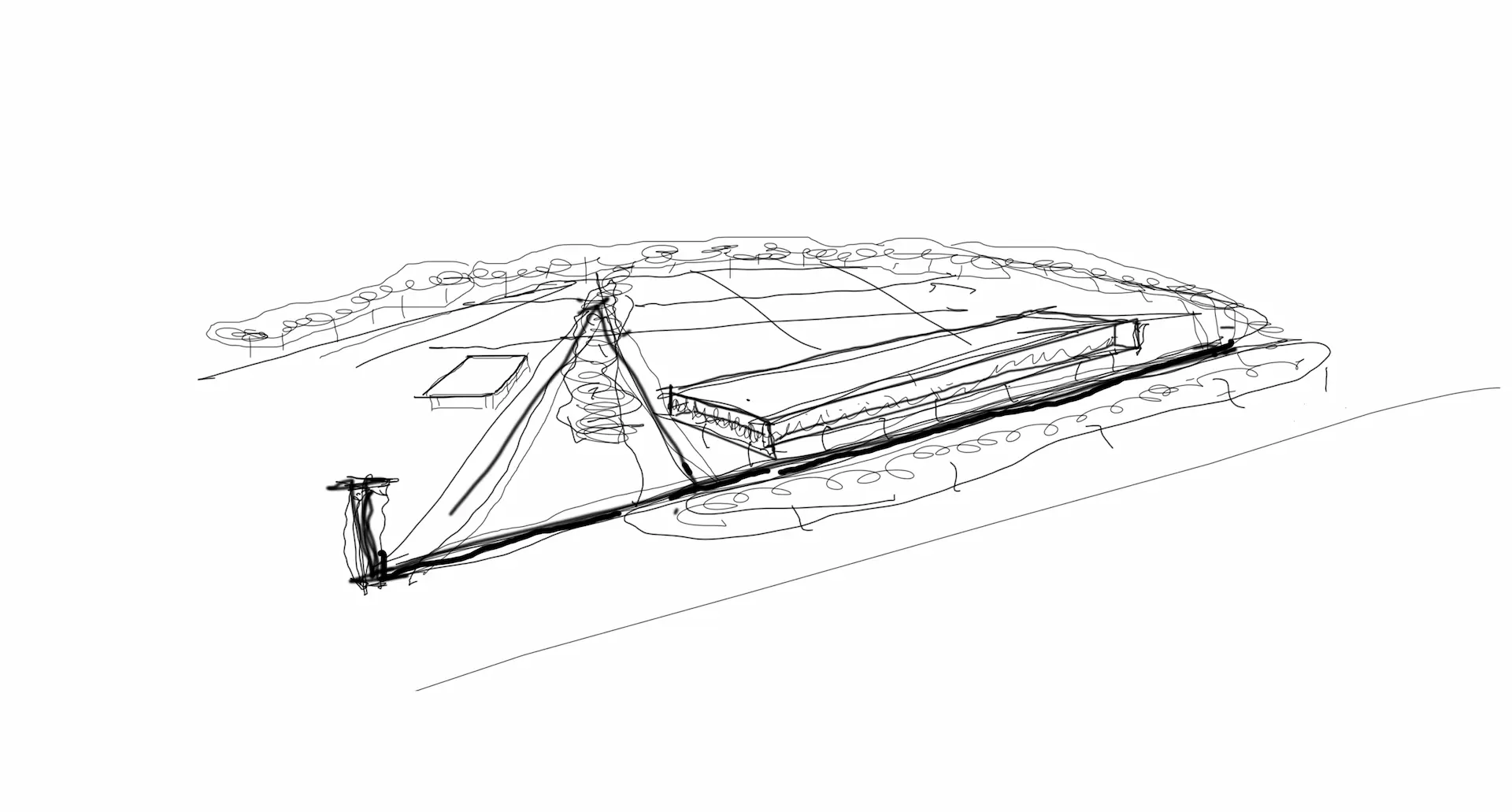
The proposal for the Campo 'La Macarena' Sports Area stands as a contemporary response to the need for kinder, more sustainable, and inclusive cities in a post-pandemic context. Located in Río Cuarto, the project seeks not only to expand the club's facilities but also to transform the site into a driver for social coexistence, balancing the historical identity of the land with the demands of the surrounding new urban fabric.
The design is structured around a clear and efficient design trilogy:
Urban Front: A strategic piece that consolidates the boundary with the ongoing real estate development, providing the complex with a prestigious and innovative institutional image.
The Rambla (Promenade): An organic axis that penetrates the site as a 'green walkway.' This central connector serves as the geographical heart of the project, balancing distances to the golf course and organizing pedestrian flow holistically.
The Grid (Checkerboard): A programmatic layout oriented strictly North-South. This decision ensures optimal performance for the 10 tennis courts, 6 padel courts, squash courts, and the semi-Olympic pool, guaranteeing thermal and visual comfort for athletes relative to the sun's path.
Bioclimatic Landscape: The architecture merges with the landscape through a 'comb-like' arrangement branching from the promenade. The landscaping strategy is based on a tree mass of varying density and color that creates specific microclimates and shelters each pathway. At the center of the polygon, a large 'green amoeba' acts as an articulating node, using grasses and low-growth vegetation to foster local biodiversity. In this way, the project synthesizes functionality and tradition through rational geometry and a fluid sensory experience (the promenade), establishing 'La Macarena' as a benchmark for sports infrastructure and urban sustainability.